


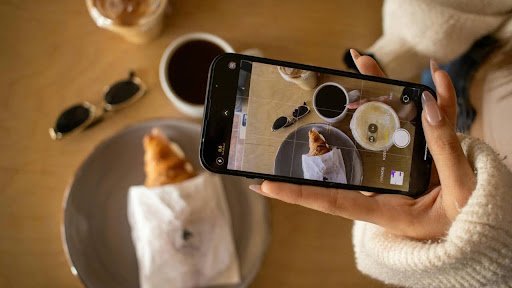
Picture two restaurants that open on the same street in the same month. The food is about equally good and the prices are close. Six months later, one has a queue on Friday nights and a steady stream of customer stories tagging it on Instagram. The other is handing out discounts to fill empty tables.
A little of that gap is luck. Most of it comes down to how each place makes people feel, first on their phone screen and then at the table.
Restaurant owners often treat “going viral” as a social media job they can hand to someone with a ring light. The places people actually talk about work on two fronts at once. Online is where customers discover you. Offline is where they decide whether to come back, and whether to bring their friends next time. This guide covers both, with practical steps you can start on this month.
It starts in the kitchen
Content can’t rescue food that nobody wants to talk about. Before you spend anything on marketing, check whether your restaurant has these three things.
A signature item. When someone asks a friend “What should I order there?”, the friend needs an instant answer. That might be your mixed grill, a kunafa served still bubbling, or a sandwich with a sauce nobody else makes. If every dish on your menu gets equal attention, nothing stands out. Pick one or two items, make them excellent every single time, and build your story around them.
A visual moment. Some dishes ask to be filmed. Cheese pulled from a fresh manakish, syrup poured over hot pastry at the table, a sizzling plate carried through the dining room, a shawarma being sliced off the spit. If your menu has nothing like this, consider adding one dish or one serving ritual designed around it. It doesn’t have to be expensive. A small jug of sauce poured at the table costs almost nothing and gives every guest a reason to raise their phone.
Consistency. A dish that looks amazing on Monday and sloppy on Thursday will kill any hype you build. Customers forgive a slow night. They are much harsher when the plate in front of them looks nothing like the photo that brought them in. Write down portion sizes, plating steps, and garnish for your signature items, and make sure every shift follows them.
When the product is right, marketing spreads the word faster. When it isn’t, marketing spreads the bad reviews faster.
Online: content that makes people hungry
Film food the way people experience it
The food content that performs best is close, slow, and full of sound. People respond to texture and movement: the crunch of a freshly rolled wrap, the hiss of meat hitting the grill, steam rising off a bowl of fatteh, a knife cutting through layers of pastry.
You don’t need a production team. A recent phone and a few habits are enough:
- Shoot near a window or under warm, even light. Avoid harsh overhead fluorescent lighting, which makes food look flat and grey.
- Get close. Fill the frame with the food, not the table.
- Record real sound. Turn off the background music while you film the sizzle, then decide later whether to add music.
- Keep clips short. A 7 to 15 second video focused on one satisfying moment often does better than a two-minute polished ad.
- Film the same dish from a few angles in one session so you have material for several posts.
Put real faces behind the food
People follow people, and a restaurant with visible faces feels more trustworthy. Introduce your chef, the man who has worked the grill for fifteen years, the owner who greets regulars by name. A 30-second clip of your cook explaining why the falafel mix rests overnight builds more trust than any paid ad.
You can turn this into a regular series, for example a weekly “Meet the team” post or a short video of the chef recommending a dish of the day. Ask staff before filming them, and keep it relaxed. Customers can tell when someone is reading a script.
Show what happens before the doors open
Early-morning dough, fresh vegetables arriving from the market, bread coming out of the oven, the kitchen during the lunch rush. Behind-the-scenes content tells customers you care about quality. It’s also the cheapest content you’ll ever make, since it’s happening anyway. Leave a phone near the prep area and film a few seconds each day.
Let customers create content for you
Content from real customers is the most believable marketing a restaurant can have. People trust other diners far more than they trust what a restaurant says about itself.
To encourage it:
- Repost guests who tag you, and thank them by name.
- Run small, simple challenges, such as “Finish the giant platter and get your photo on our wall.”
- Reward sharing with something small, like a free dessert on the next visit.
- Reply to every comment and tag, even with a short “Thank you, see you soon!” Customers notice when a brand responds.
Speak the way your audience speaks
Captions written in the local dialect feel warmer than stiff formal Arabic. “مين جاهز للعشا؟” connects faster than a long formal description of ingredients. Match the tone to your crowd. A burger spot for students can be playful and cheeky. A family restaurant should sound warm and welcoming. A fine-dining place can be calmer and more refined. Whatever tone you choose, use it everywhere: posts, replies, stories, and even the delivery app description.
Take Google Maps and reviews seriously
Many customers never look at your Instagram page. They search “restaurants near me,” scroll through the photos on your Google listing, and read the last five reviews before deciding.
Treat your Google Business profile like a second storefront:
- Keep opening hours accurate, including holiday hours.
- Upload fresh, good-quality photos of your food, dining area, and entrance every month.
- Add your menu with current prices.
- Reply to every review. For positive ones, a short thank-you is enough. For negative ones, stay calm, apologize for the experience, and invite the person to contact you directly. Future customers read your replies too, and a professional answer to a complaint can win more trust than a five-star review.
Show up consistently
A single viral video rarely changes a business on its own. Restaurants that grow steadily post regularly, so when one video takes off, there’s already a page full of good content for new visitors to explore.
A simple weekly plan works better than random bursts of activity. For example:
- Two short food videos
- One behind-the-scenes clip
- One team or customer story
- Daily stories with the dish of the day, offers, or busy moments
Plan the week in advance, film in batches, and keep your posting rhythm steady even during slow months.
Offline: the experience is the content
This is where many restaurants fall short. What happens inside your walls decides whether people post about you, recommend you, and come back.
Design spots people want to photograph
A neon sign with a clever line in dialect, a painted wall, an interesting entrance, a striking light fixture over the tables. One well-designed corner can produce hundreds of customer posts without you paying for any of them.
Think about the lighting where people actually sit, too. Guests photograph their food at the table, so if your tables sit in dim yellow light, every customer photo of your food will look worse than it really is. Small changes, like a brighter lamp over each table or a seat by the window, make a visible difference.
Treat the menu as a sales tool
A cluttered menu with endless pages confuses people and slows down orders. A well-designed one guides guests toward what you want them to order.
Some practical improvements:
- Limit the number of items in each category so the choice feels easy.
- Put your signature dishes in a boxed section, at the top of a category, or with a small “chef’s pick” mark.
- Write short descriptions that make people hungry. “Slow-grilled chicken with garlic sauce and pickles, wrapped in fresh saj bread” sells better than “Chicken wrap.”
- Use photos for a few hero dishes only. A photo for every item makes a menu look like a fast-food board.
- Make sure the font is easy to read in your actual dining light.
- Keep the menu clean. Stained, torn, or crossed-out menus tell guests you don’t care about details.
Your storefront is your first ad
Before anyone tastes your food, they see your sign, your windows, and your entrance. A clean, well-lit, clearly branded storefront pulls in walk-in customers. A faded sign or a dark doorway sends them next door.
Check your storefront the way a stranger would, at night and during the day. Can people read your name from across the street? Is it clear what kind of food you serve? Does the entrance look open and inviting? A sign board outside with today’s special or a funny line can also stop people walking past.
Packaging travels further than your restaurant
Every delivery bag and takeaway box ends up in someone’s home or office, often in front of people who’ve never heard of you. That makes packaging free advertising.
Ideas that work:
- Branded bags, boxes, and stickers with your logo and social handle.
- A short handwritten thank-you note, or a printed card with a personal line.
- A small surprise, like a piece of baklava or a sweet, in larger orders.
- Packaging that keeps the food looking good on arrival. Soggy fries and crushed sandwiches get photographed too, for the wrong reasons.
When packaging looks nice, people film themselves opening it. That’s content you never had to make.
Your staff are your brand
The waiter who remembers a regular’s usual order, the cashier who smiles, the chef who walks out to ask how the meal was. These are the moments people retell to friends and family.
Train your team on the basics of hospitality: greeting guests within a few seconds of arrival, recommending the signature dishes, handling complaints calmly, and saying goodbye properly. Clean, consistent uniforms help too, because staff appear in customer photos and videos all the time.
Give people a reason to come now
People mean to try new places “someday.” Events turn someday into this week. Tasting nights, live music, a new dish launch, a family day, a seasonal menu, or a match-night offer all create urgency. Each event also gives you fresh photos and videos for social media, so your online and offline marketing feed each other.
Become part of the neighborhood
Local partnerships build loyalty that ads can’t buy. Some options:
- Lunch deals for nearby offices and companies.
- Discounts for students from the university down the road.
- A cross-promotion with a coffee shop or dessert spot next door.
- Sponsoring a small community event, school day, or local sports team.
- Offering samples at nearby events or markets so people can taste before they visit.
Reward the people who come back
A simple stamp card that gives a free meal after ten visits still works. You can also offer regulars small perks: a birthday dessert, early access to a new dish, or a reserved table on busy nights. Regulars are the people who bring friends, celebrate occasions at your place, and defend you in the comments when someone complains.
Connecting the two worlds
The strongest restaurants link online and offline so that each one sends customers to the other.
Put your social handle where guests can see it: on the table, the menu, the receipt, the packaging, and the wall near the photo spot. Add QR codes that lead to your menu, your Google review page, or a small offer for following you. A table sign reading “Tag us and get a free dessert on your next visit” turns guests into promoters.
Then go the other direction. Give online followers a reason to visit, such as an offer for people who show your post at the counter. Film your events, your busy nights, and your regulars (with their permission), and post them so people who weren’t there feel like they missed out.
When the experience inside your restaurant is worth sharing, your online content stops feeling like advertising and starts feeling like proof.
Why some restaurants never take off
The same mistakes come up again and again:
- The photos promise more than the plate delivers, and customers say so in reviews.
- The brand chases every trend without a clear identity, so nobody remembers what the place is about.
- Posting is random, with three posts in one day and then silence for three weeks.
- Money goes into ads while the in-store experience is neglected, so first-time visitors never return.
- Offline details get ignored: an unreadable menu, a tired sign, plain packaging, and staff who don’t recommend anything.
- Negative reviews go unanswered, or worse, get angry replies.
A quick checklist for your restaurant
- Do you have one or two signature dishes people associate with your name?
- Does your food look the same in person as it does online?
- Is there at least one spot in your restaurant people want to photograph?
- Is the lighting at your tables good enough for food photos?
- Is your menu short, clear, and easy to order from?
- Does your packaging carry your brand and your social handle?
- Is your Google listing complete, with recent photos and replies to reviews?
- Are you posting on a steady weekly plan, with real faces and real moments?
- Do you have events, offers, or perks that give people a reason to come back?
If you answered “no” to more than three, you have plenty of room to grow, and every item on this list is something you can fix.
How DALI can help
DALI works with restaurants and food brands on everything covered here: social media strategy and content, food photography and video, menu and packaging design, branding and signage, and campaigns that turn first-time visitors into regulars.
If you want your restaurant to be the one people line up for, get in touch with DALI and let’s talk about what your brand needs.