


How AI in Marketing Is Transforming the Industry
Marketing today goes far beyond tracking impressions, reach, or short-term results. In global markets such as MENA and the GCC, and in emerging areas like Syria, brands are increasingly expected to understand why consumers act as they do, not just what they do. This shift is driven by the strategic integration of AI in marketing, enabling deeper psychological and emotional connections with audiences.
Traditional marketing models can still work in simple environments, but they often fail to capture the full complexity of the consumer journey. From first brand exposure to purchase decisions and long-term loyalty, behavior is shaped by emotion, context, and experience. Conventional methods struggle to measure and respond to these factors without advanced analytics.
Artificial intelligence, particularly computer vision and data analytics, is reshaping the marketing landscape. It allows marketers not only to understand consumer journeys more clearly, but also to actively improve them through a fully integrated 360 marketing strategy, where every touchpoint is optimized for impact.
The Role of AI in a 360 Marketing Strategy
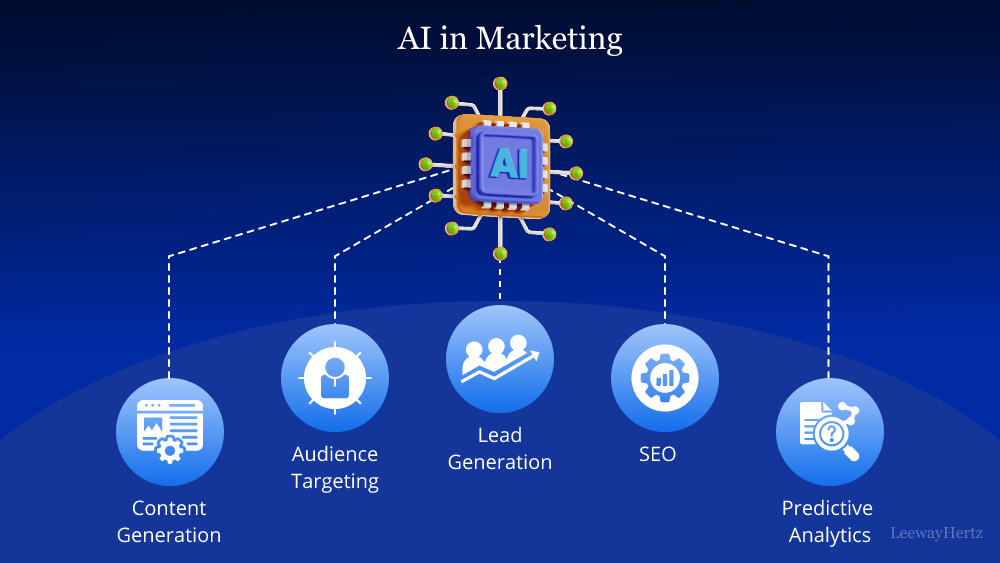
AI is no longer experimental; it has become a core pillar of modern 360 marketing. It connects data, creativity, media, personalization, and customer experience into one intelligent system. For brands operating in the UAE, Saudi Arabia, and across MENA, AI enables scalability while maintaining local relevance and cultural sensitivity.
In markets such as Syria, where budgets and resources may be limited, AI helps brands maximize efficiency. Retail brands, for example, use AI-driven segmentation to personalize email campaigns, achieving reported engagement increases of up to 25% by delivering the right message at the right time.
However, adoption comes with challenges. Limited access to high-quality regional data, the need for technical expertise, and organizational resistance can slow implementation. A practical approach starting with clear objectives and small-scale use cases ensures sustainable, long-term value.
How Computer Vision AI Is Changing Marketing
Computer vision is one of the most impactful applications of AI in marketing. By analyzing visual data, it provides insight into consumer emotions and behaviors, allowing brands to communicate in ways that resonate with an individual’s mental market share and build stronger emotional connections.
Augmented Reality (AR) Experiences
AR, powered by computer vision, enables immersive brand experiences such as virtual try-ons, interactive product demos, and experiential storytelling. These experiences help bridge the gap between digital browsing and physical interaction, which is especially important in high-end GCC markets.
Successful AR initiatives start with a clear value proposition like allowing customers to visualize furniture in their own homes. Many brands begin with pilot projects to test engagement and refine insights. In the GCC, AR is increasingly influencing purchase decisions and shaping perceptions of innovation.
Enhanced personalization and targeted advertising
AI enables more precise audience segmentation by analyzing behavior, preferences, and engagement patterns. This allows brands to deliver relevant messaging across channels while maintaining transparency and trust.
AI-driven automation also enables real-time content optimization. Instead of relying on fixed calendars, AI continuously monitors performance across platforms and adjusts formats, messaging, and timing to stay aligned with evolving consumer needs.
Data-Driven Customer Insights and Forecasting
AI excels at processing large volumes of data to uncover patterns that human analysts may miss. Through machine learning and predictive analytics, marketers gain visibility across the entire customer journey from browsing and purchasing to long-term engagement and advocacy.
In regions like the GCC and Syria, these insights support smarter segmentation and demand forecasting. By analyzing historical and real-time data, brands can anticipate purchasing cycles and align all channels within a cohesive 360 marketing strategy.
Conversational AI and Email Optimization
AI-powered chatbots enable real-time engagement across websites and social platforms, improving customer experience while capturing valuable data. At the same time, programmatic advertising automates media buying and optimizes bids in real time for better budget efficiency.
Email marketing has also evolved into a data-driven channel. AI analyzes user behavior to determine optimal send times and subject lines, resulting in higher open rates, stronger conversions, and improved customer retention
Ethical Challenges and Responsible AI Use
Despite its advantages, AI raises important ethical considerations around privacy and data use. In the GCC, for example, facial recognition in retail has sparked concerns about biometric data. Across MENA and emerging markets like Syria, regulations and cultural expectations vary significantly.
Responsible AI requires transparency, strong data protection practices, and efforts to reduce algorithmic bias. Compliance with frameworks such as GDPR and the UAE National Strategy for Artificial Intelligence 2031 is no longer optional. Ethical AI is not a limitation it is a long-term brand advantage.
The Future of AI in Marketing
As AI continues to evolve, its role will move beyond automation toward strategic collaboration. Generative AI, adaptive storytelling, and voice-enabled interactions will allow brands to create more intuitive and personalized experiences.
Marketing is shifting away from generic messaging toward cohesive, personalized journeys. By integrating AI and advanced analytics, brands can achieve unprecedented precision and engagement. To learn more, explore our 360 marketing services.