In 2026, the most memorable campaigns all have something in common: they give people a reason to talk. People don’t just see these ads, they share them, comment on them, and mention them in conversations.
Successful brands know that marketing now is not just about big budgets or perfect visuals. It’s about creating moments people want to join in.
Flexibility also sets brilliant campaigns apart from the rest. Winning brands react quickly. They watch what’s happening in culture, follow online trends, and notice how their audience behaves. Instead of sticking to a set plan, they adjust fast.
And finally, the best campaigns don’t interrupt people with ads. They create something interesting or entertaining first, and the product simply fits into the story.
Campaigns That Got It Right
This year, some brands turned simple ideas into moments everyone wanted to talk about.
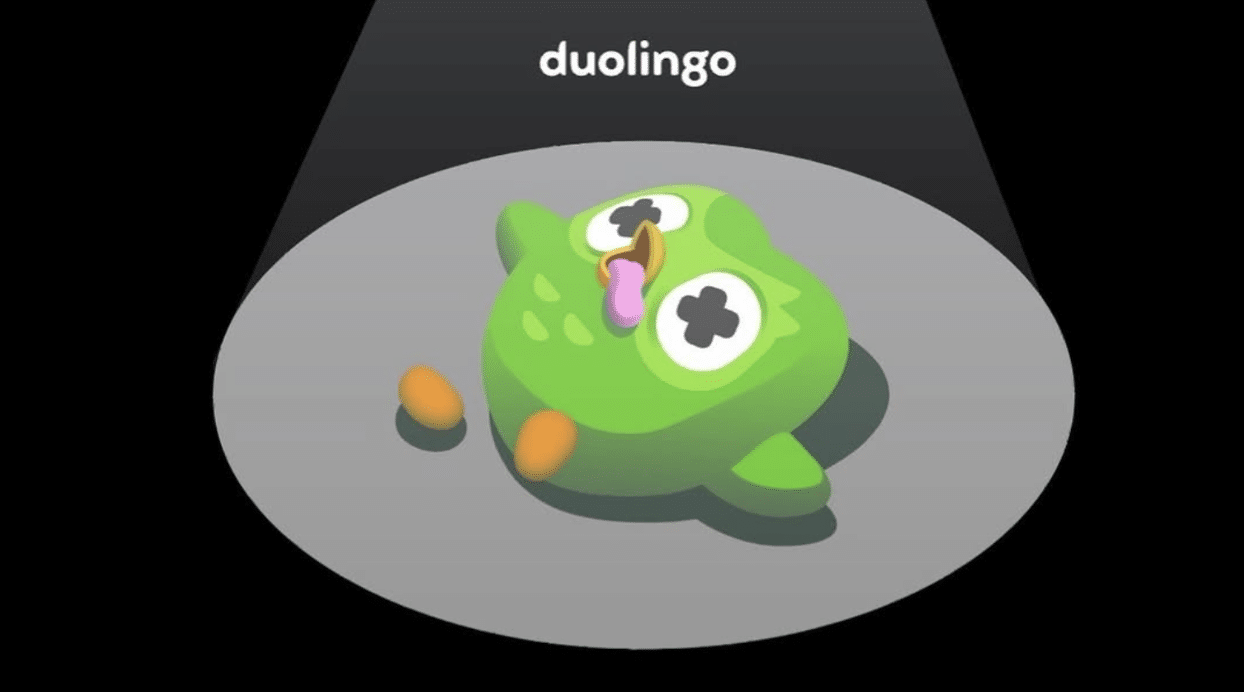
Duolingo – The “Death” of Duo
Duolingo turned its green owl mascot into a social media story by suggesting that Duo had died. The brand posted cryptic updates and dramatic videos, and suddenly everyone online was talking about it. Fans started speculating, joking, and following the story until the mascot “came back.” The campaign generated over 120 million views and boosted app downloads by 35%. It showed how powerful storytelling can be when the audience feels involved.
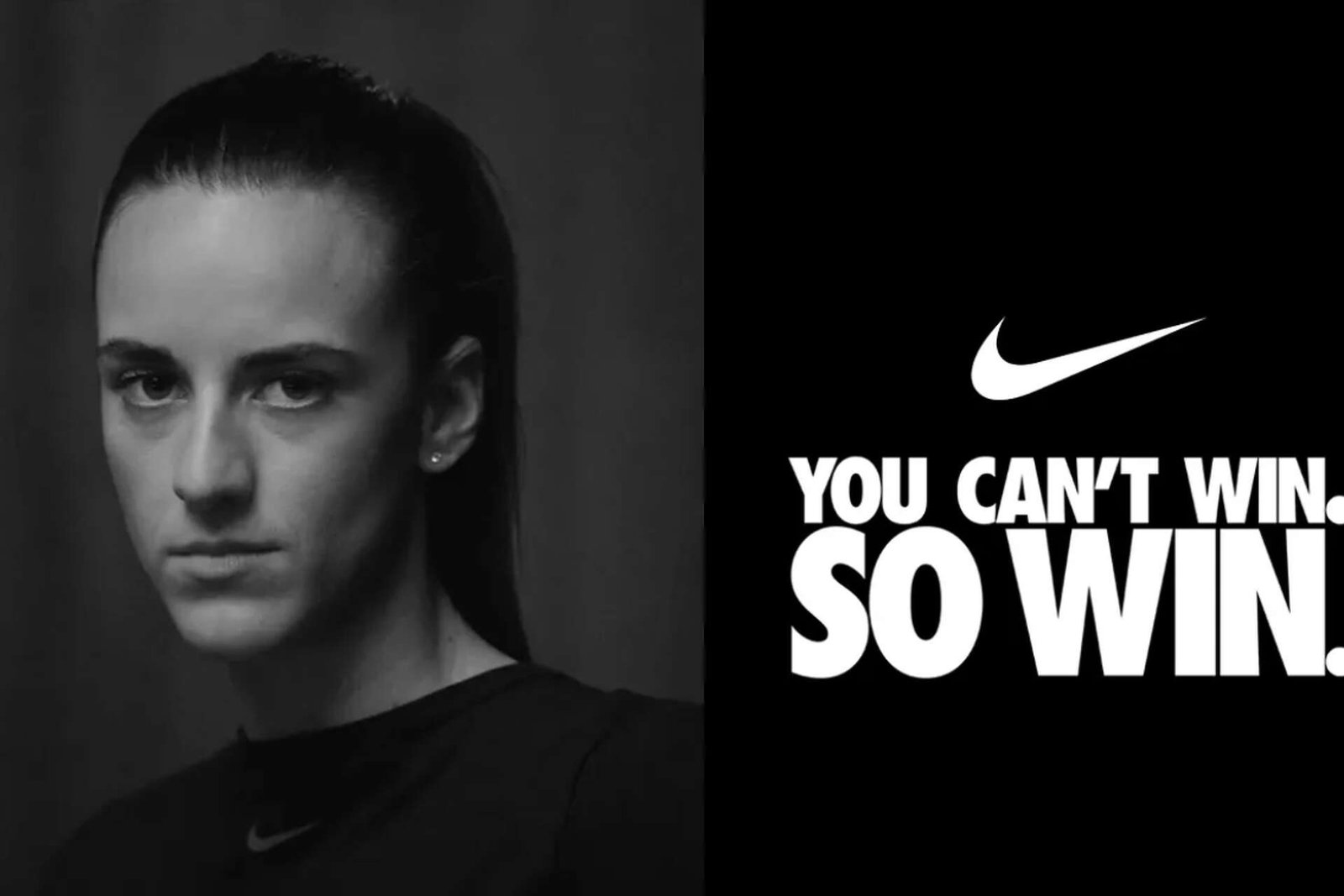
Nike – “So Win” Super Bowl Ad
Nike came back to the Super Bowl with a campaign about female athletes. Instead of highlighting the brand, the ad celebrated women’s sports and featured athletes with big fan bases. The campaign garnered 85 million views and led to a clear rise in product sales the following week.
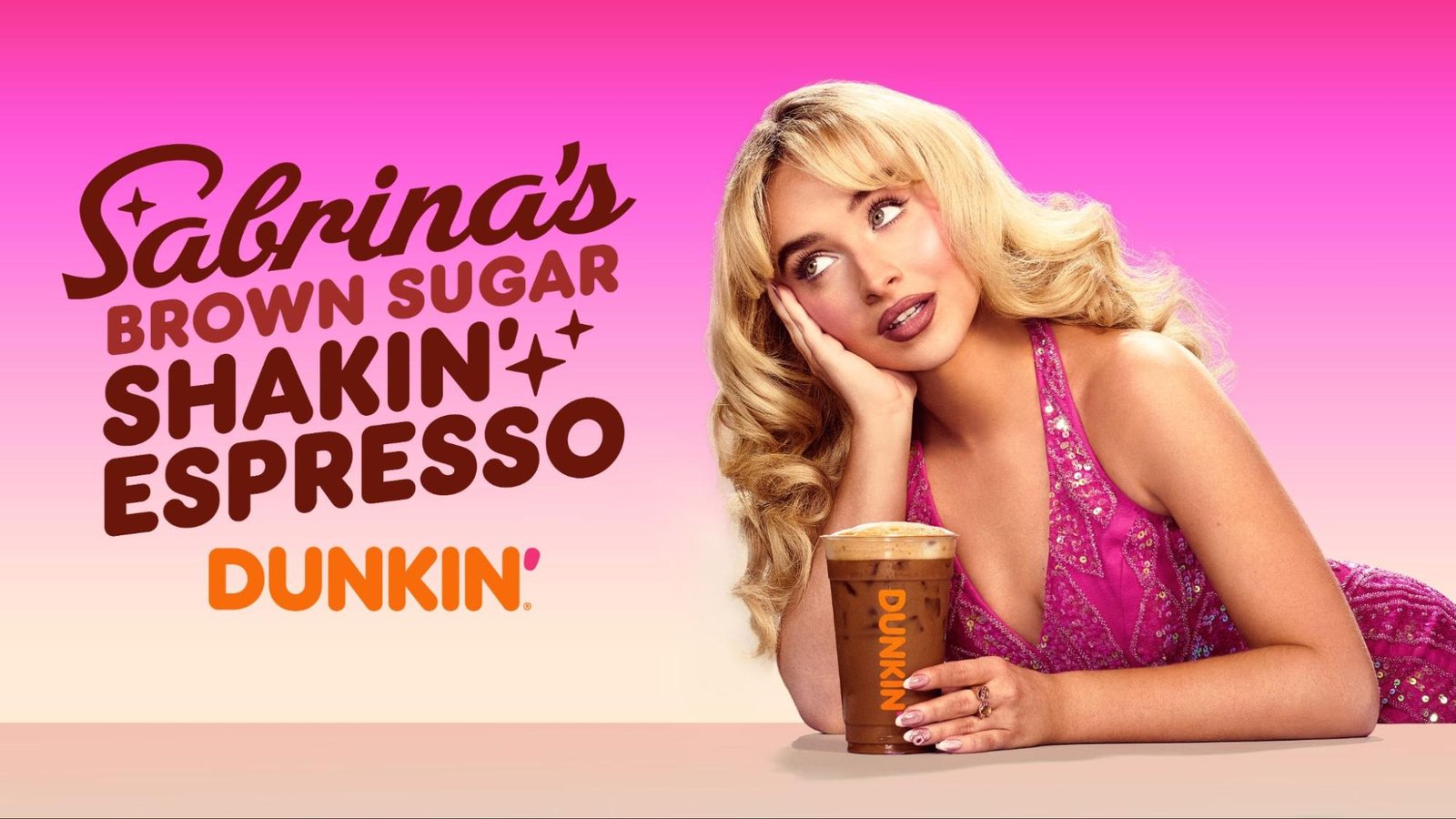
Dunkin’ – Sabrina Carpenter Collaboration
Dunkin’ partnered with pop singer Sabrina Carpenter while her song “Espresso” was dominating the charts. The campaign felt natural because it matched the moment perfectly. Instead of trying to create a trend, Dunkin’ simply joined one that already existed. The campaign generated hundreds of millions of impressions and strong sales for the featured drink.
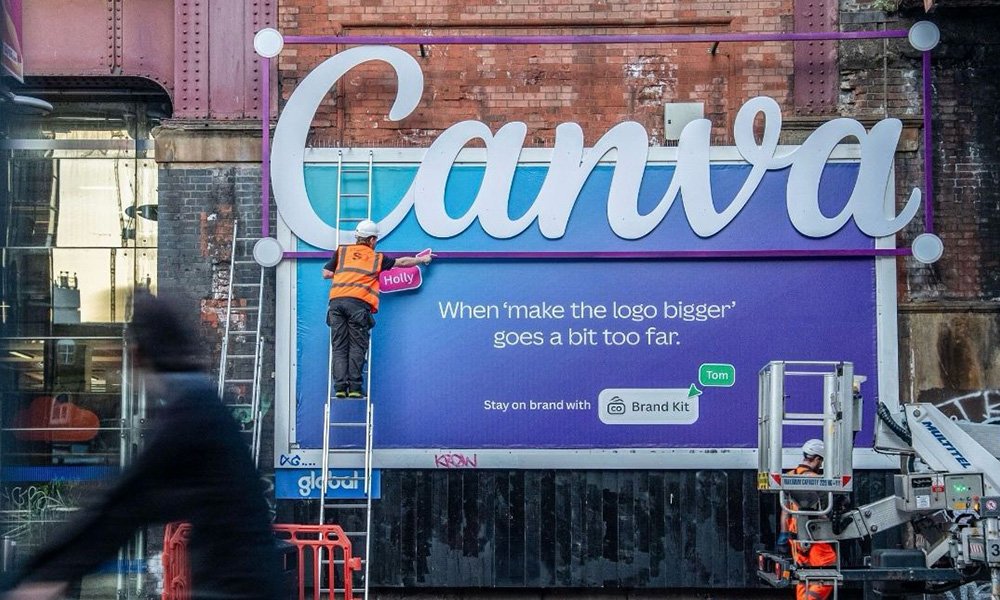
Canva–“Make the Logo Bigger”
Canva took one of the most common jokes in the design world, clients asking to make the logo bigger, and turned it into outdoor ads. Designers are instantly related to it. The campaign worked because it spoke directly to a specific audience and showed that Canva understood their everyday frustrations.
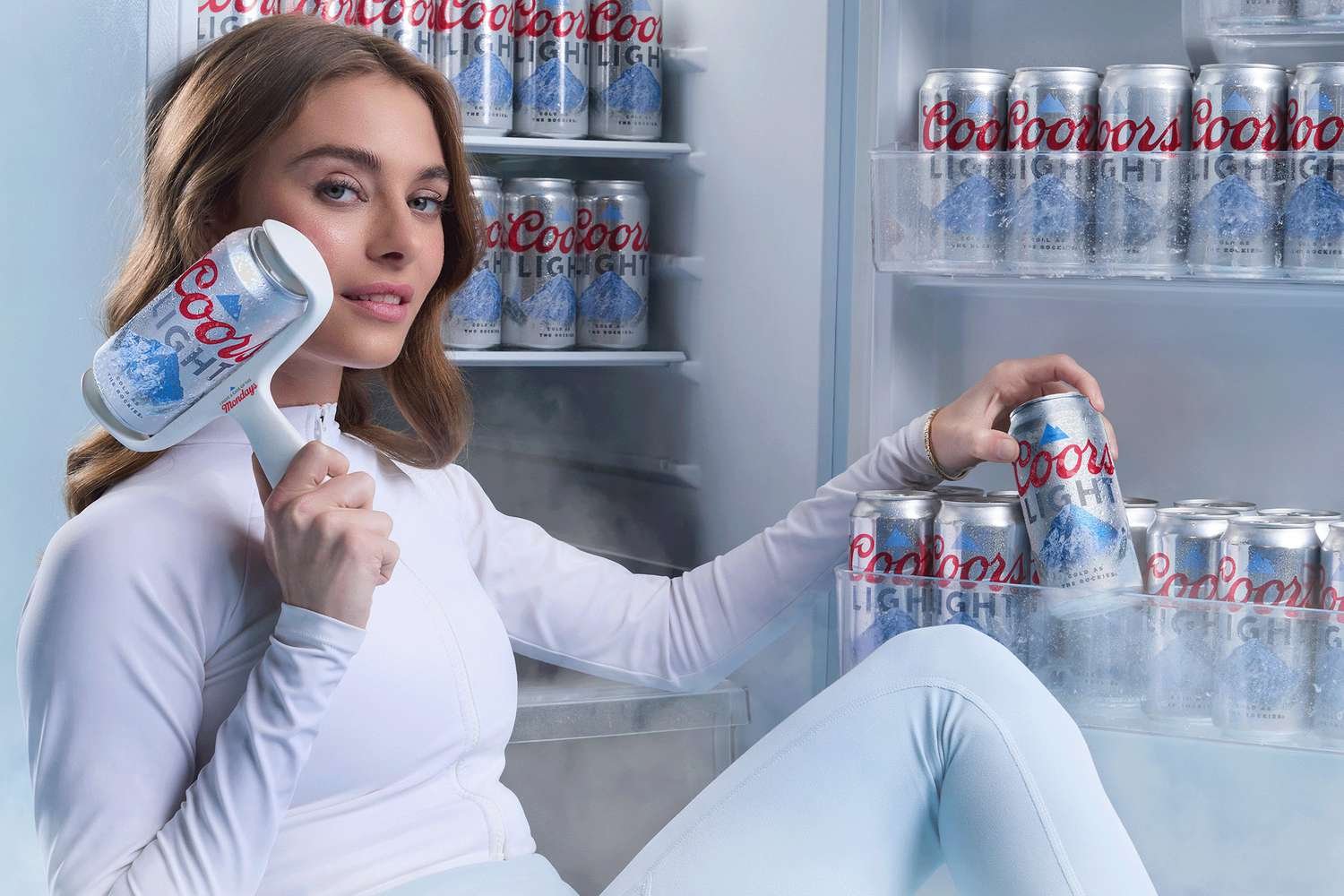
Coors created a playful product that looked like a beauty roller but was actually a cold beer can designed to “refresh” your face. It was strange enough to grab attention and funny enough to spread online. The campaign generated billions of impressions, and the product sold out quickly.
Coors Light – Chill Face Roller
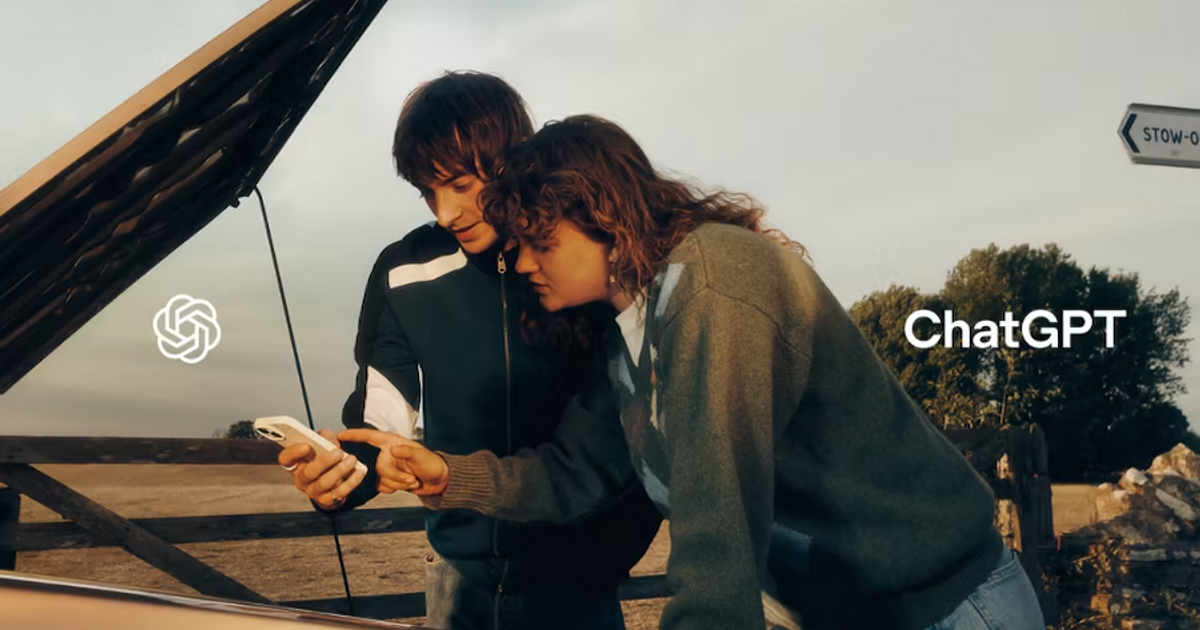
ChatGPT – Everyday Uses of AI
When you look at these examples, some clear patterns show up.
First, the best campaigns usually begin with a real insight into the audience, something people already feel or experience.
Second, each campaign focuses on doing one thing really well. It might entertain, educate, or start a conversation, but it doesn’t try to do everything at once.
Third, the message shows up where the audience already spends time. The platform is just as important as the idea.
Finally, the brands behind these campaigns are ready to move quickly and make changes as they go. They test ideas, see what works, and build momentum from there.
What Brands Can Learn From These Campaigns
When you look at these examples, some clear patterns show up.
First, the best campaigns usually begin with a real insight into the audience, something people already feel or experience.
Second, each campaign focuses on doing one thing really well. It might entertain, educate, or start a conversation, but it doesn’t try to do everything at once.
Third, the message shows up where the audience already spends time. The platform is just as important as the idea.
Finally, the brands behind these campaigns are ready to move quickly and make changes as they go. They test ideas, see what works, and build momentum from there.
Mistakes Brands Still Make
Even with all these lessons, many campaigns still fall short.
Some brands talk to their audience instead of having a real conversation.
Others try to appeal to everyone, but that often means they don’t connect deeply with anyone.
Many focus on impressions and reach, even when the message doesn’t matter to the people who see it.
Some brands also move too slowly and miss the cultural moments that could have made their campaign stand out.
The campaigns that work today feel less like advertising and more like something people actually want to experience, talk about, and share. When a brand creates that kind of moment, the audience does the marketing for them.